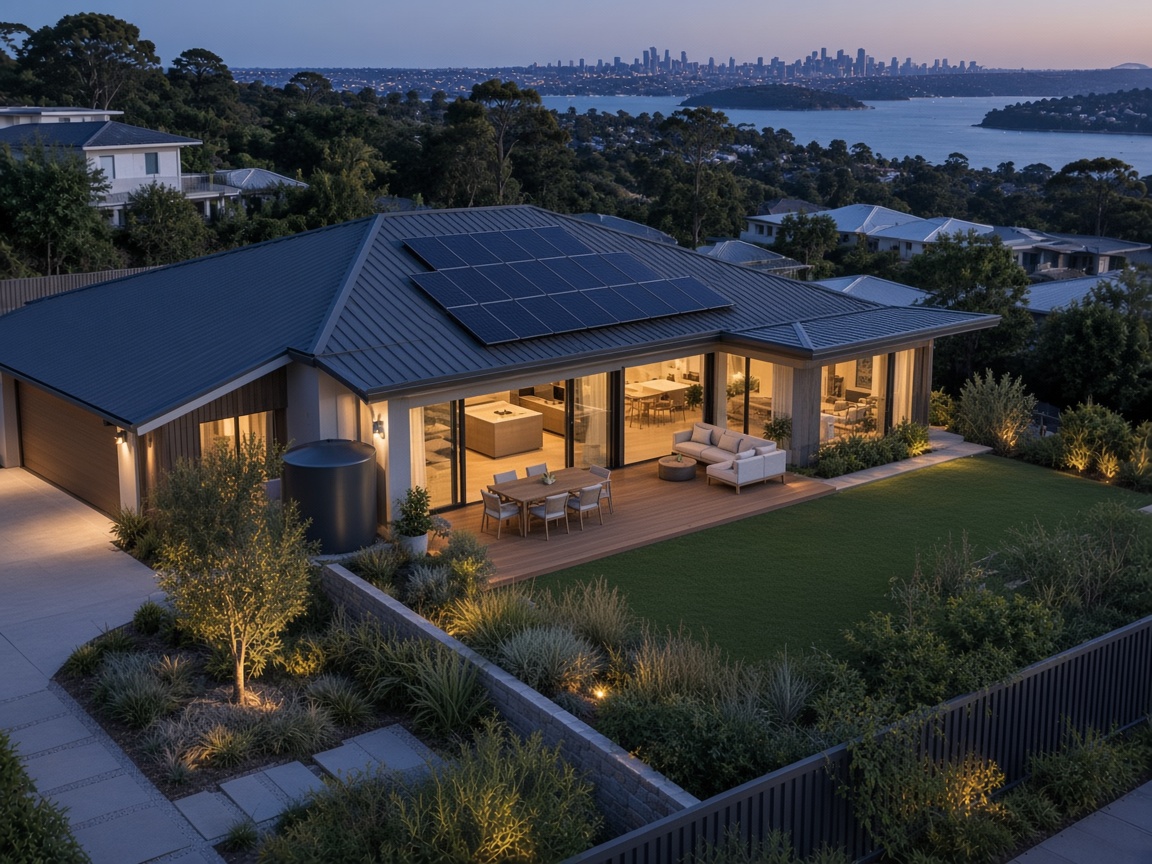
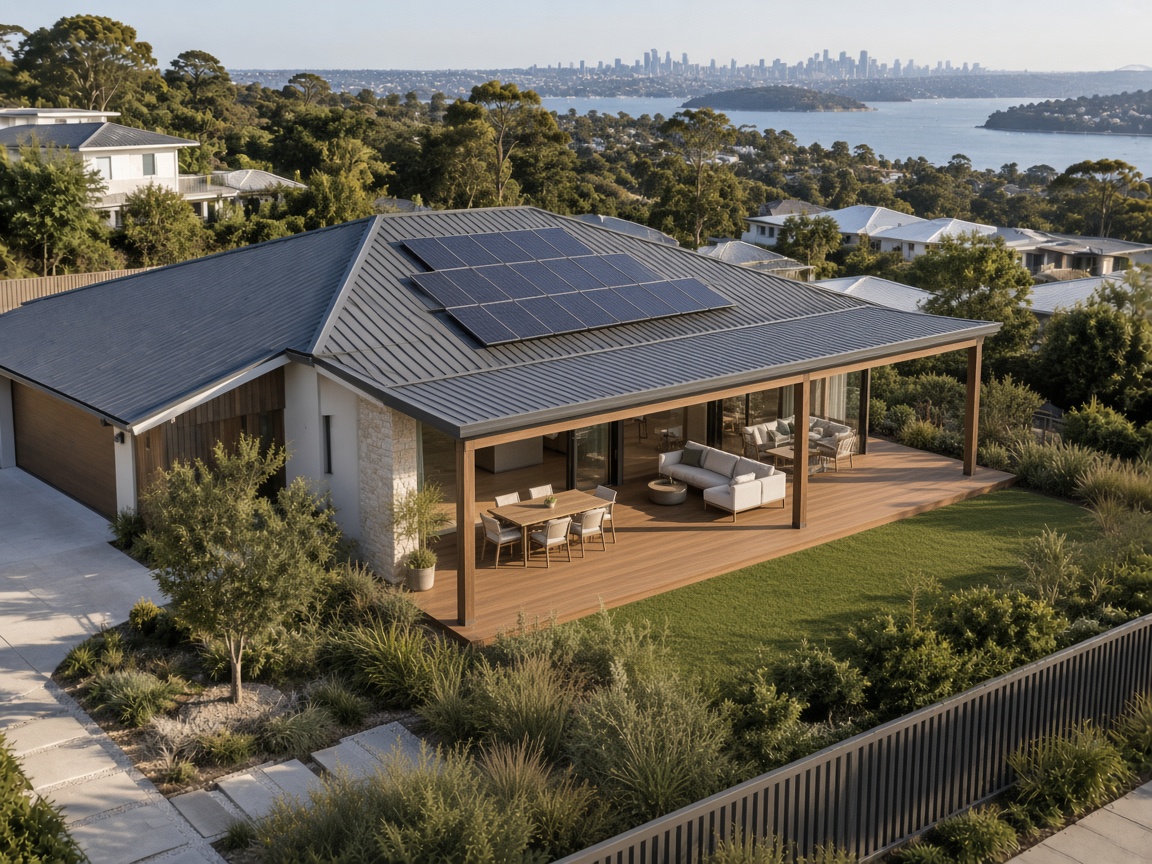
Imagine the room you use most. Is it a sunny kitchen in winter, a cool place to retreat on a summer afternoon, or a bedroom that feels comfortable at night? Those everyday experiences are a useful starting point for a design brief.
Begin with the climate, not a shopping list
Passive design uses the building itself to work with its surroundings. Orientation, glazing, insulation and thermal mass act together to manage heat gain and loss. A solution that suits a cool climate is not automatically the best choice for a warm, humid one.
Tell your designer how you expect to use each space. Put comfort on the agenda alongside the floor plan, finishes and view.
Ask where the sunlight goes
Orientation affects when different rooms receive sun. In suitable climates, northern solar access can support winter warmth, while shading helps manage unwanted summer heat. Site constraints, neighbouring buildings and the local climate all matter.
A useful design discussion starts with the site plan: where will you have breakfast, work during the day or relax in the afternoon? Ask your designer to explain those rooms through the seasons.
Treat windows as part of a system
Window performance depends on more than glass alone. Size, location, frames, shading and the surrounding building fabric need to be considered together. Ask for a review of the proposed window schedule before locking in a product.
Rather than asking for the most expensive upgrade everywhere, ask which options are worth comparing for this specific design.
Make room for a design review
Bring the assessor into the conversation while choices remain flexible. A review can help your team explore alternatives and explain their implications before orders are placed. Keep the discussion grounded in your priorities: comfort, budget and a design you enjoy living in.
Sources & further reading
Explore the official guidance behind the technical topics in this article. Project requirements should be confirmed for your location and proposal.